Palm Coast Fiberglass Pools

Fiberglass Pools, Built as One Composite Piece

An engineered Latham fiberglass pool for homeowners across Flagler, St. Johns, and Volusia counties, installed in days, not months, with a finish you never resurface.

Woman with wavy hair smiles and holds a white mug while standing by a window. Greenery and reflections are visible outside. The logo and text LathamPool.com appear in the lower left corner.

Picture Perfect moments

Latham Fiberglass Pools

One Company. One Product. Done Right.
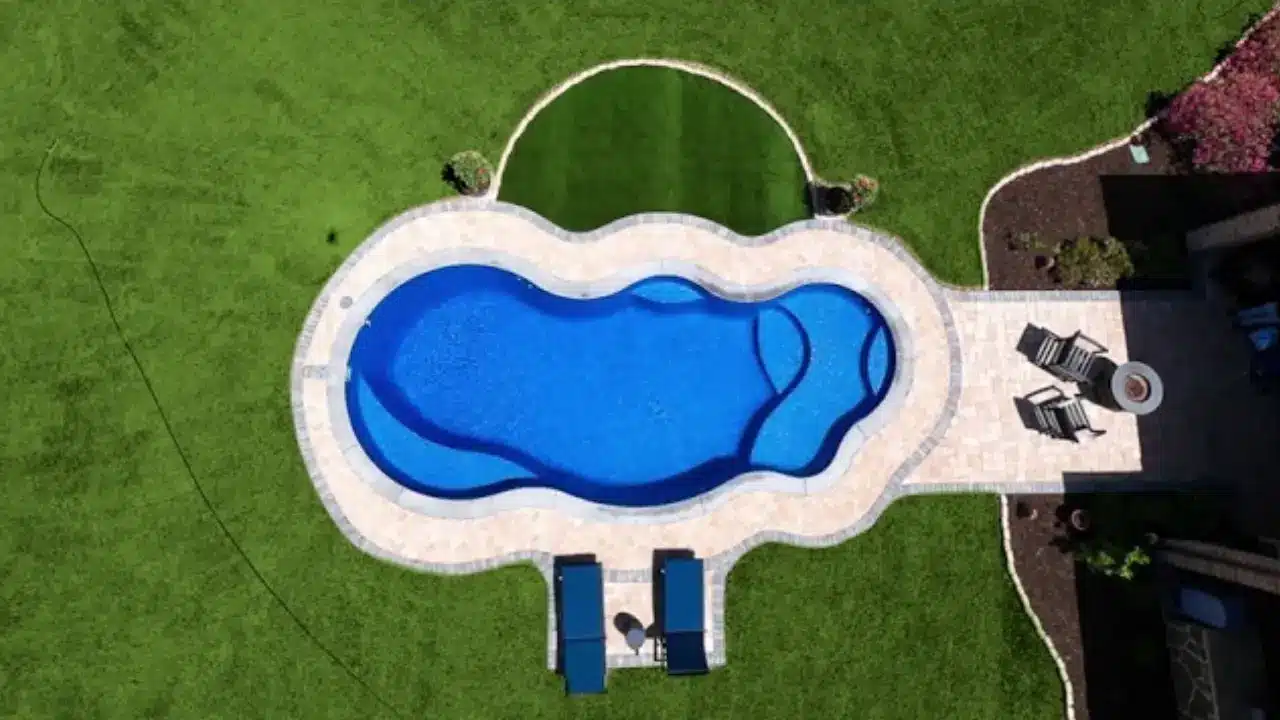
Aerial view of a uniquely shaped blue swimming pool with a stone deck, two lounge chairs at one end, surrounded by green grass, and a patio dining set nearby.
A light blue, hand-drawn curved arrow points upward and to the left on a light background.

How Latham pools are made

A composite fiberglass pool is built in a factory as one piece and set in your yard by crane, which is why installation takes days instead of months. It is the only pool we install. Ours come from Latham, the largest inground pool manufacturer in North America, and every shell carries a limited lifetime warranty on the structure and the finish for as long as you own your home. A pool is a big decision, so this page covers all of it: the shapes we install, how the shell is made, what it costs, and what comes with every project.

Licensed Pool Contractor · Flagler, St. Johns & Volusia Counties

Our Top Sellers

Find Your Shape

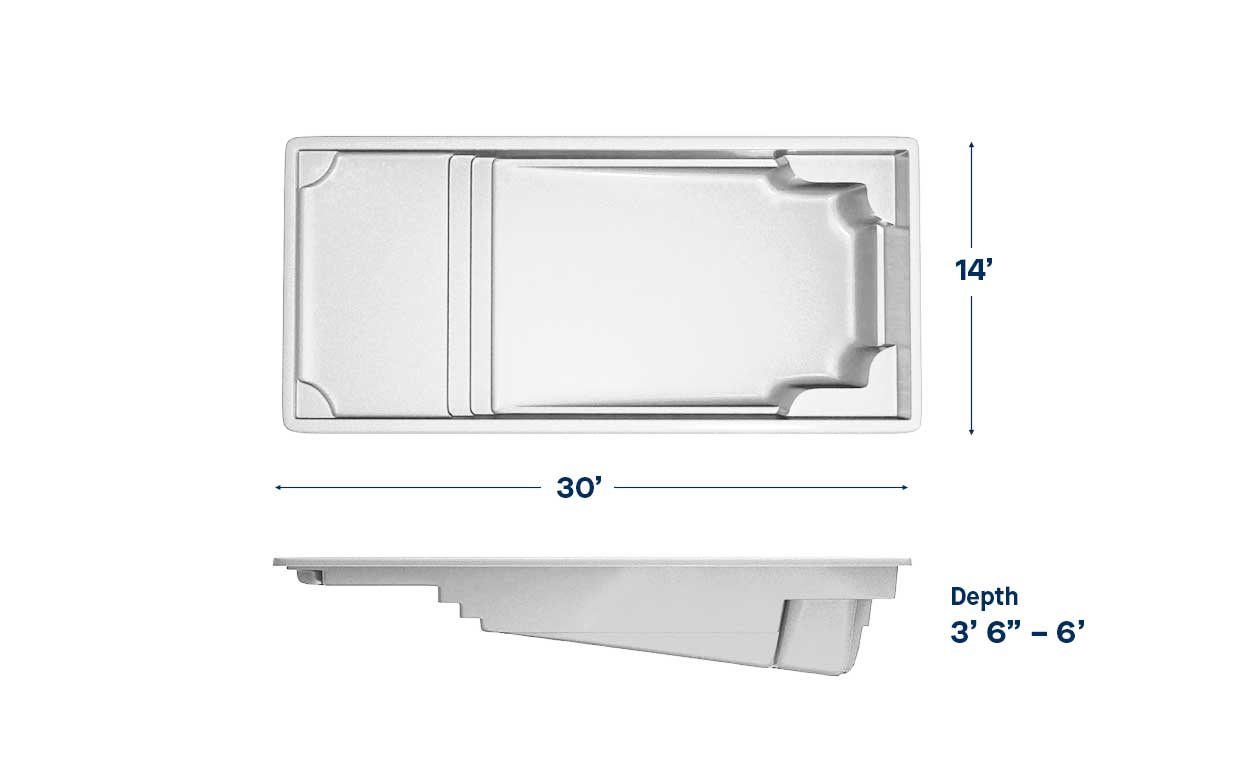
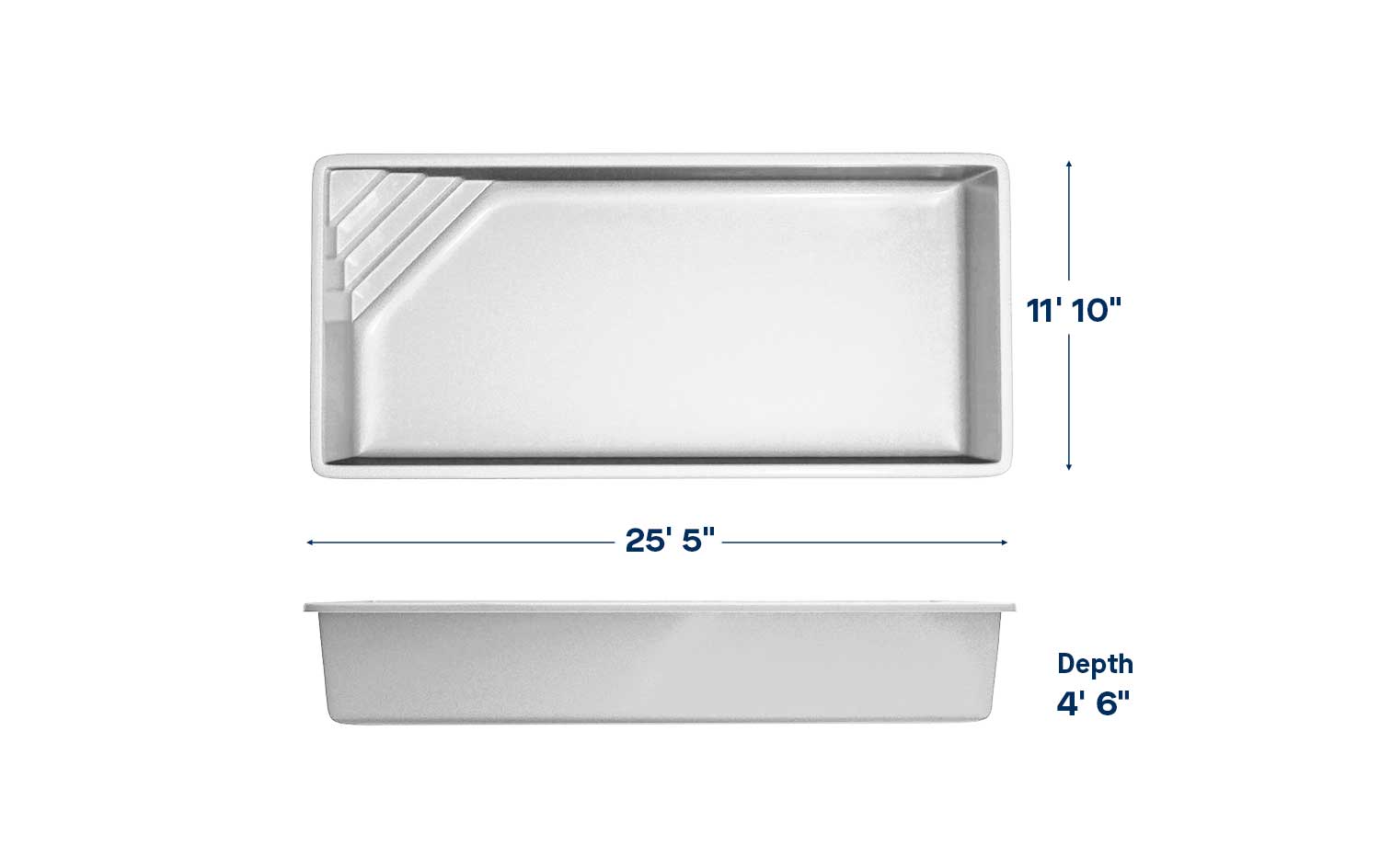
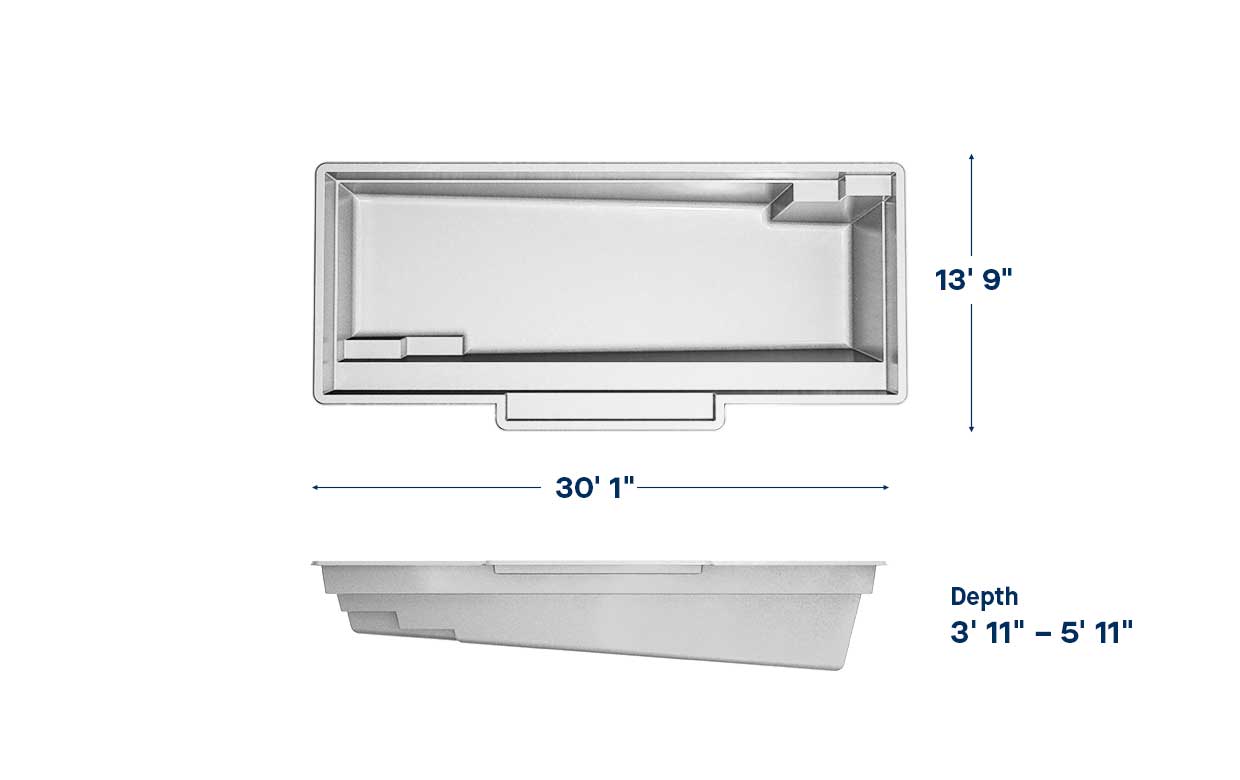
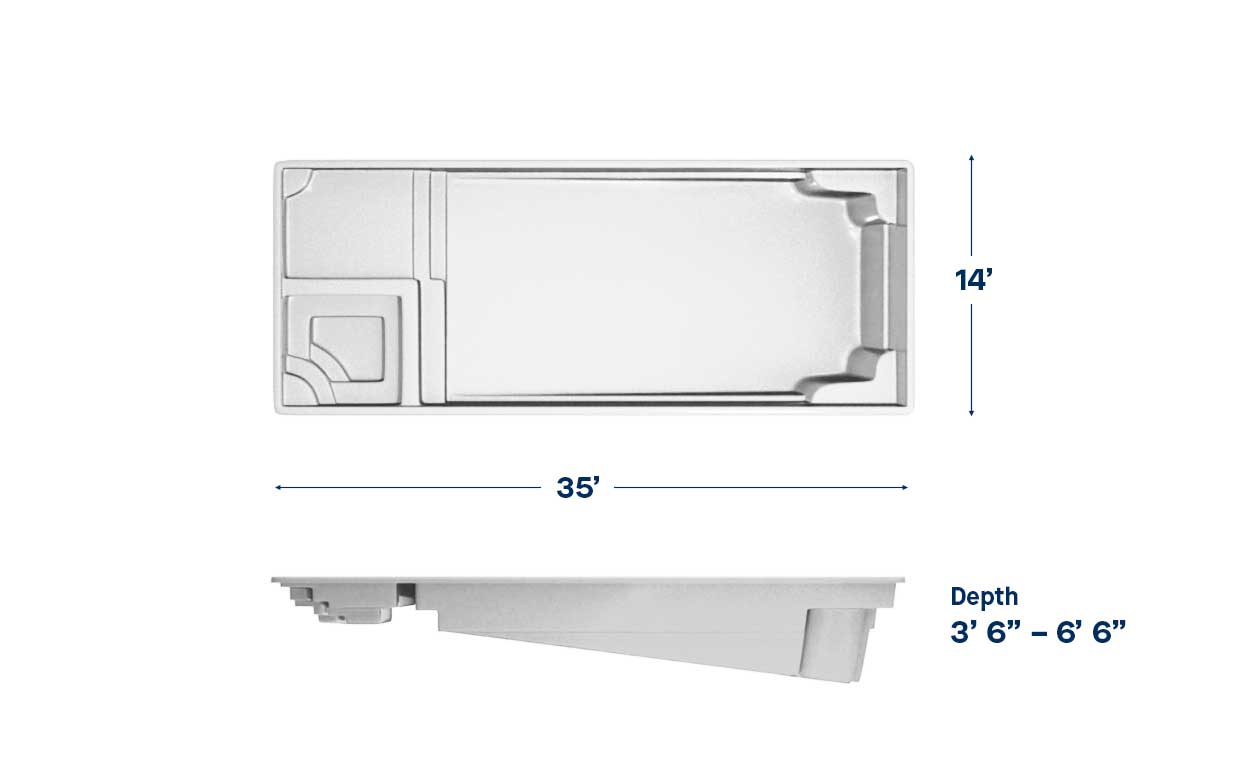
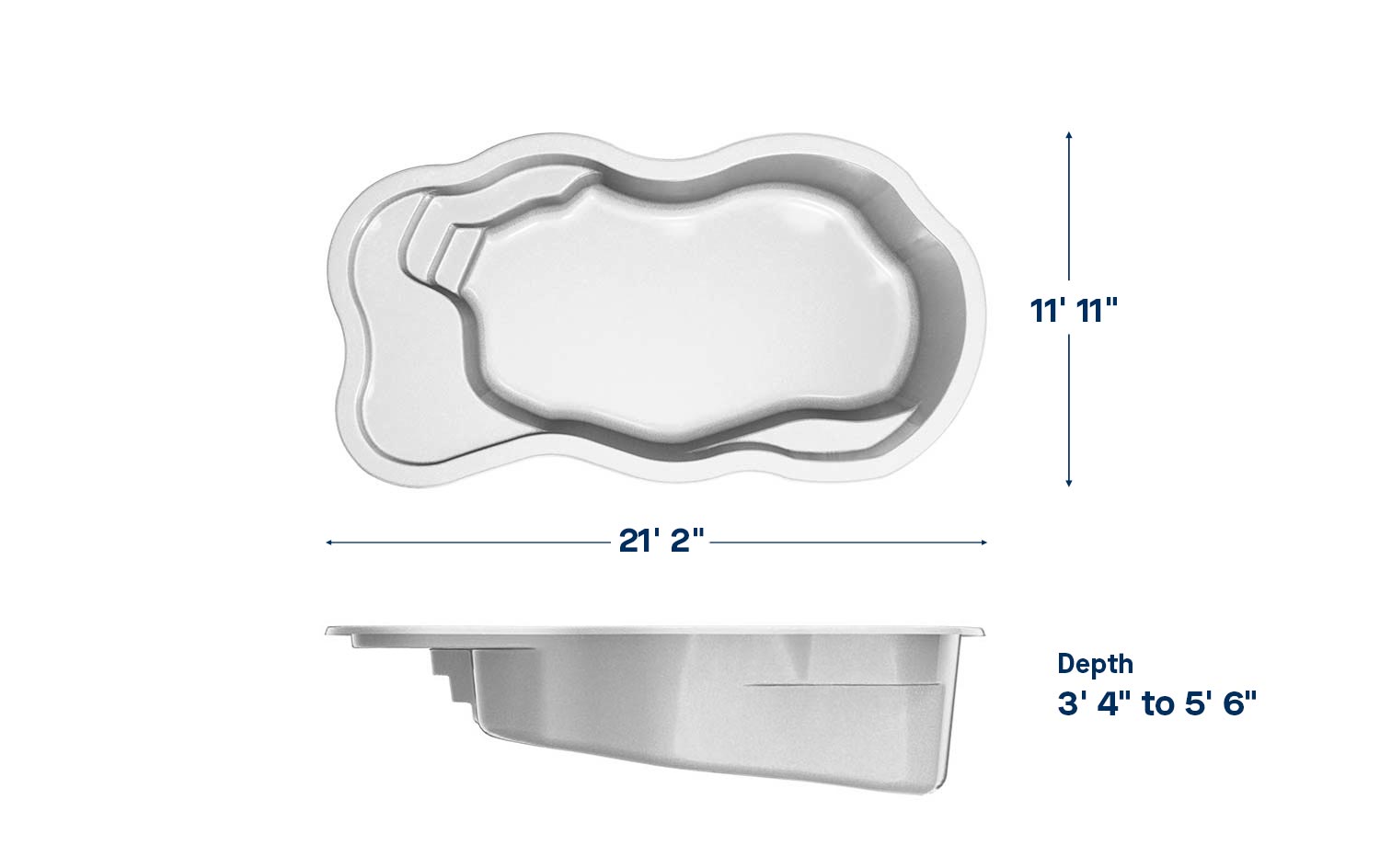
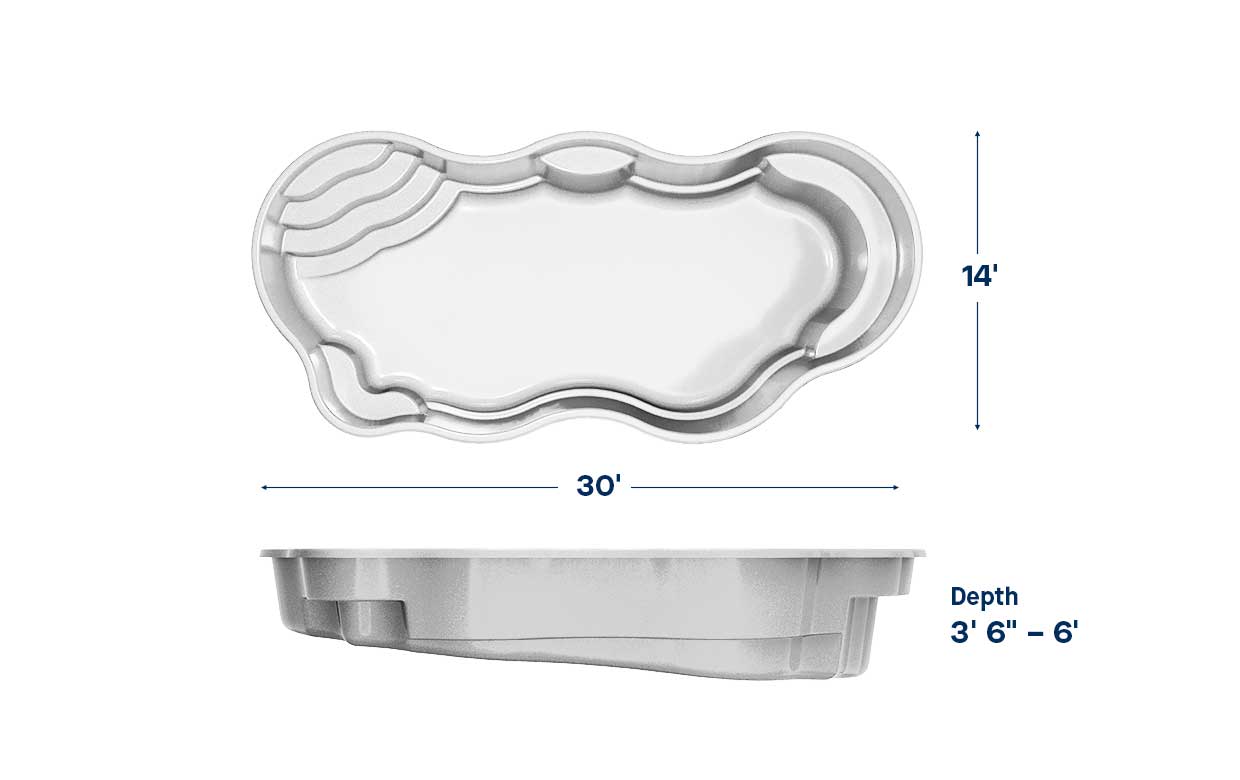
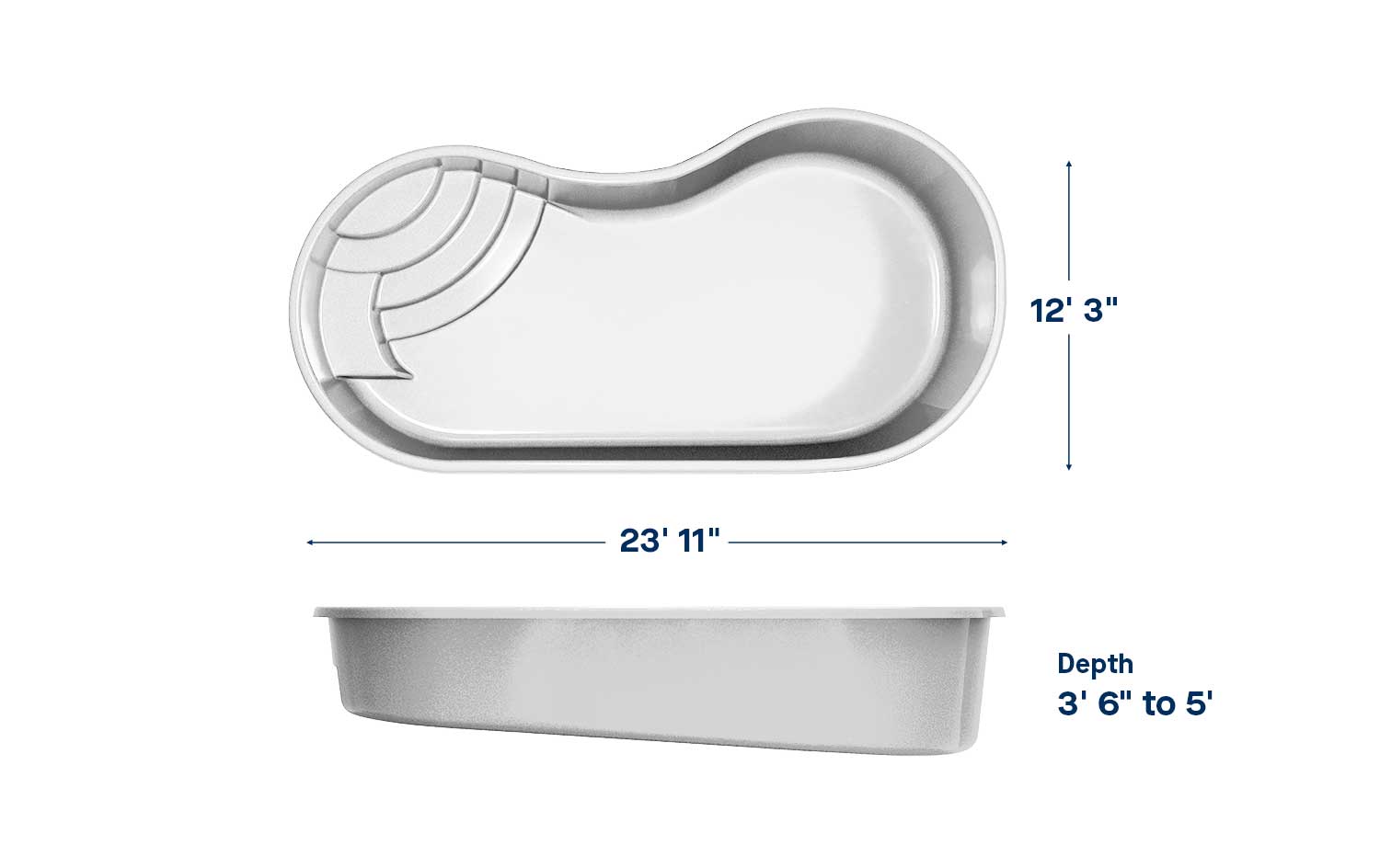
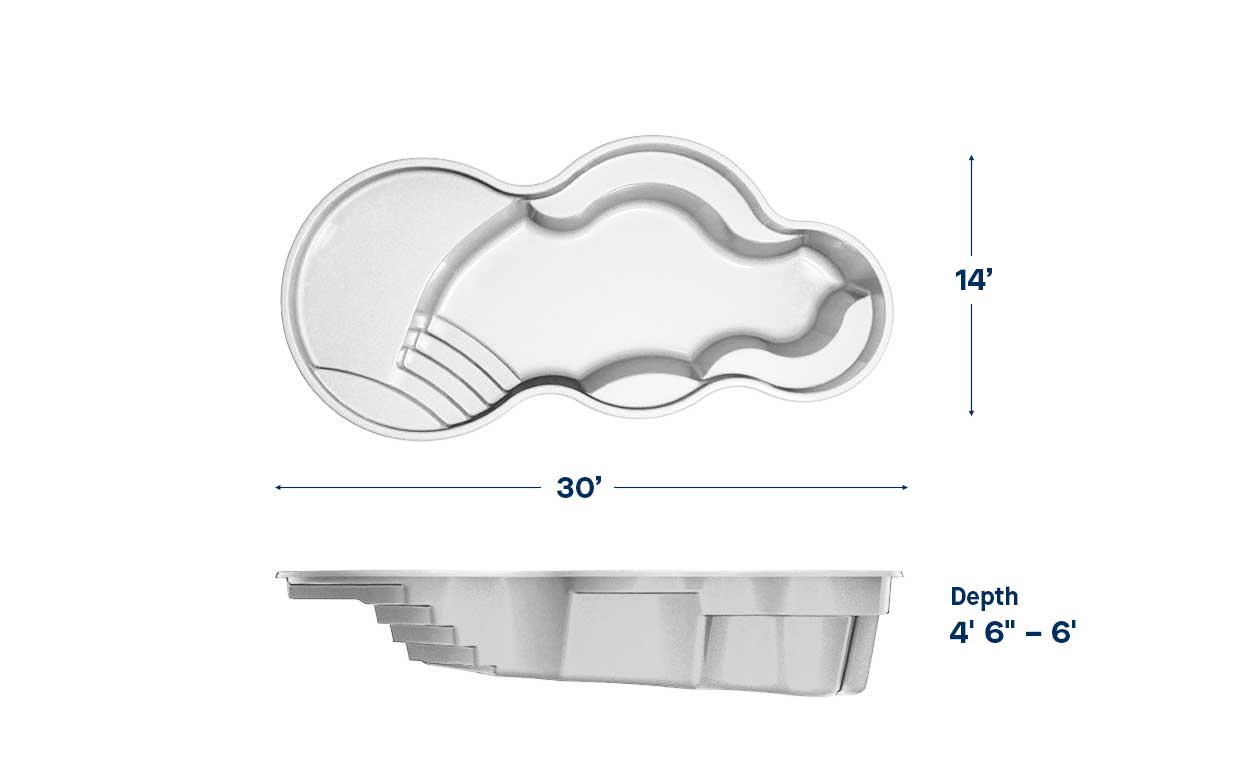
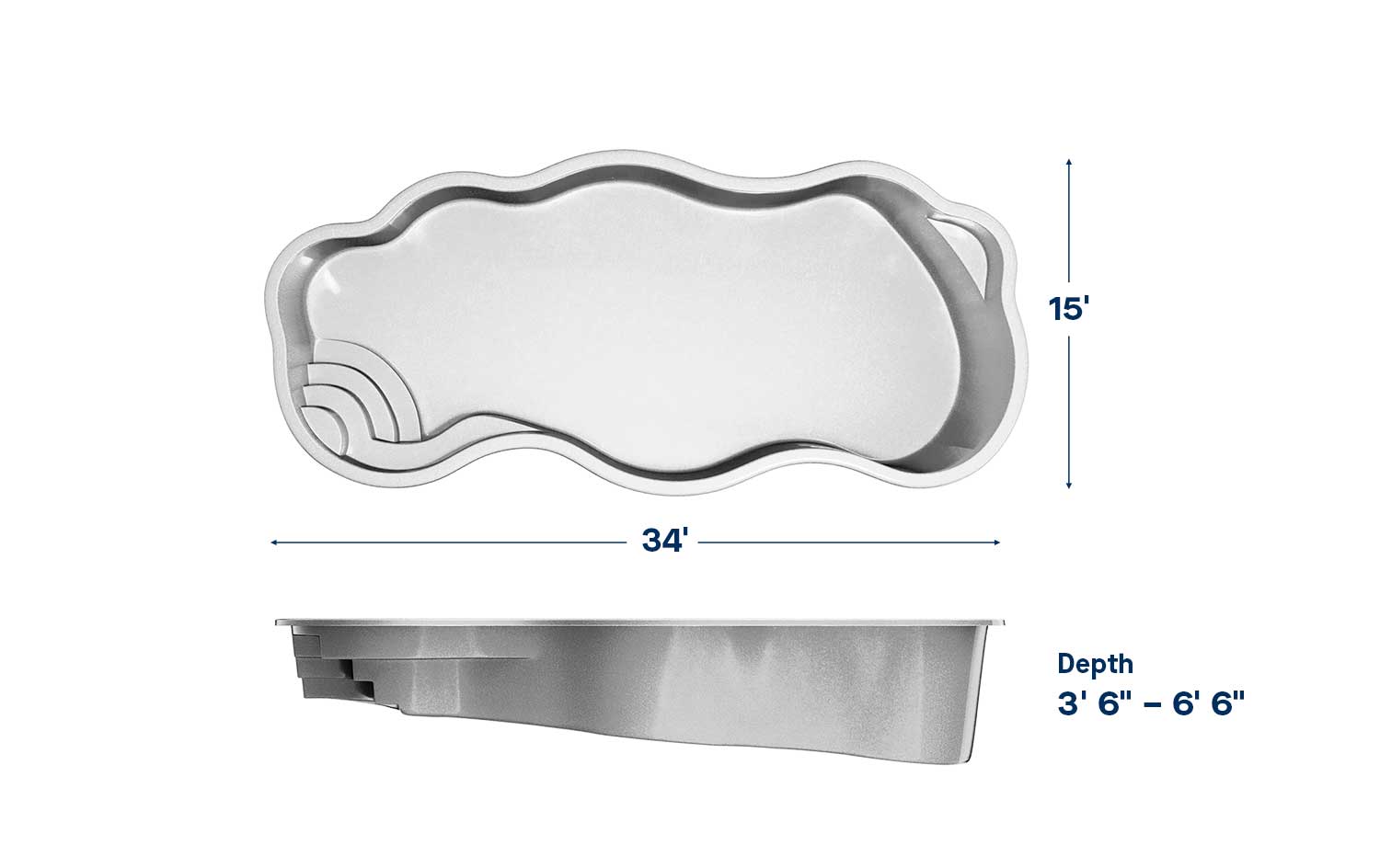
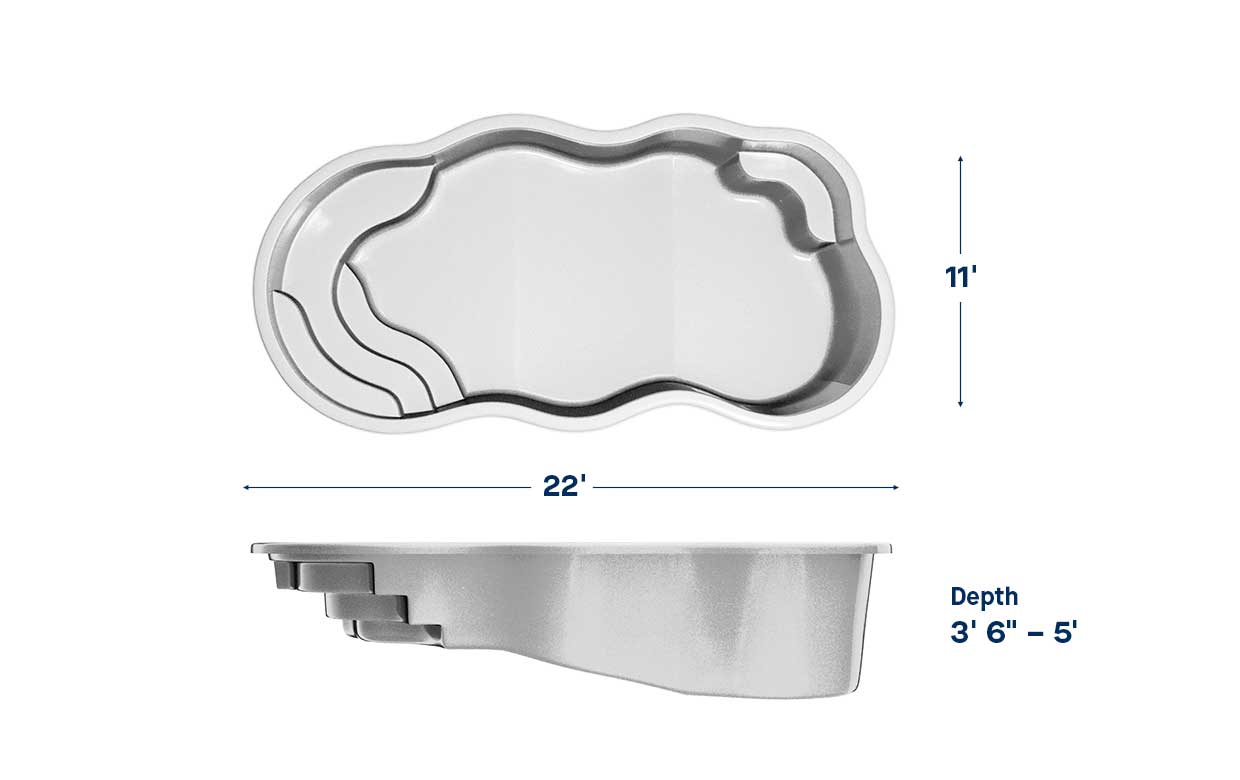
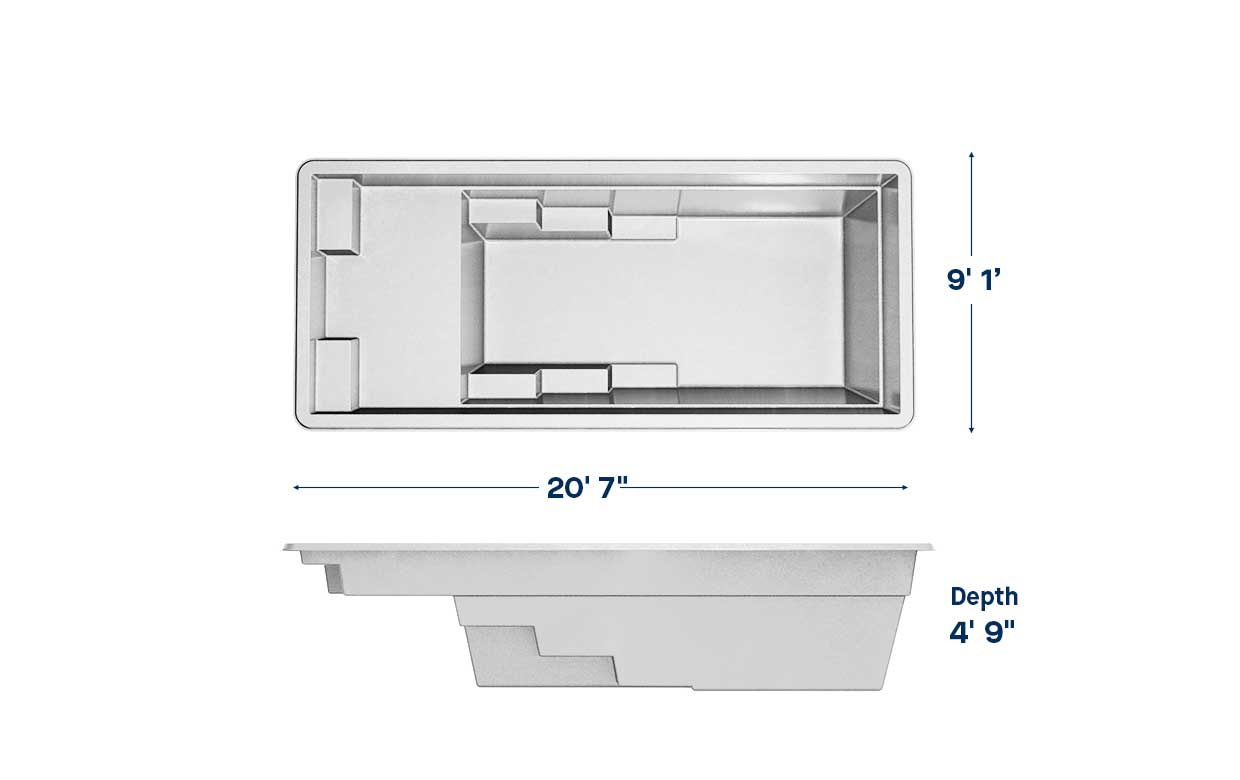
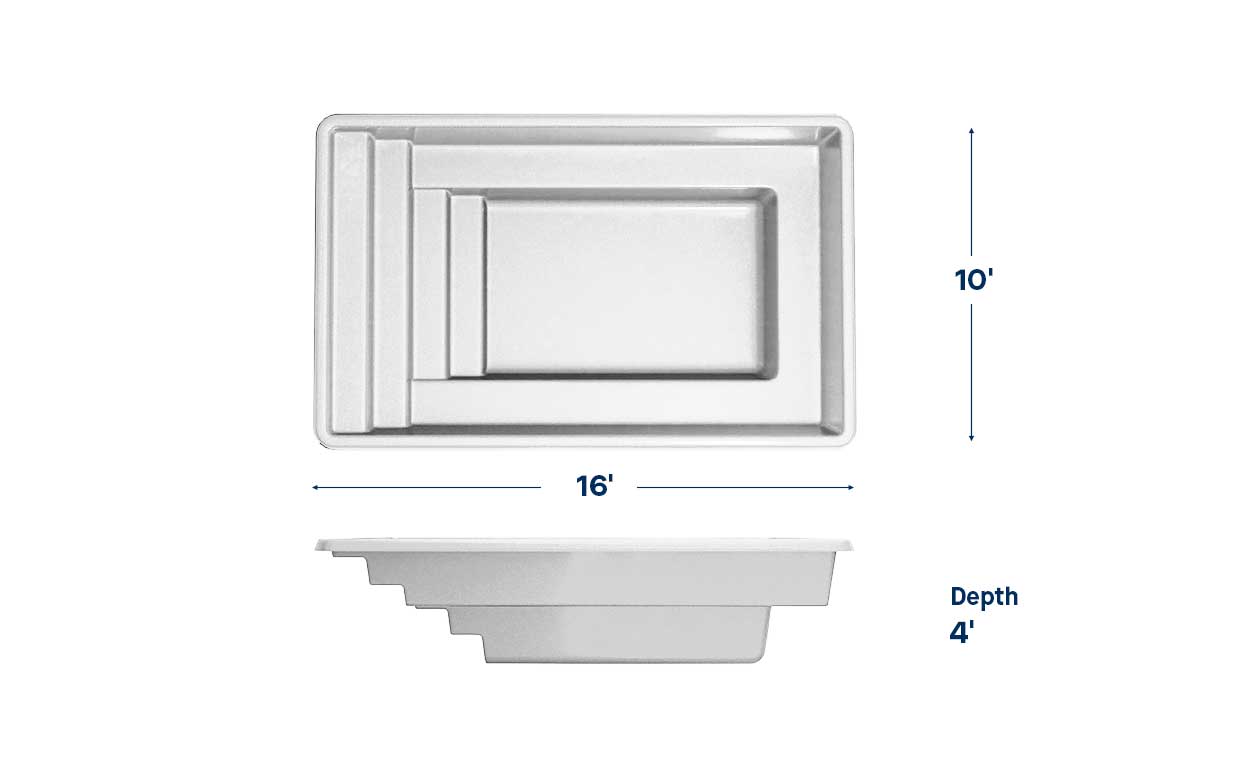
Latham makes more than 80 fiberglass pool models in over 30 shapes. The models below are the shapes we install most, organized the way people shop for them: rectangular, freeform and kidney, and plunge. Most models come in several sizes, from a compact plunge pool to a big family pool like the Bermuda 14 Deluxe, so a shape you like almost always has a size that fits your yard!

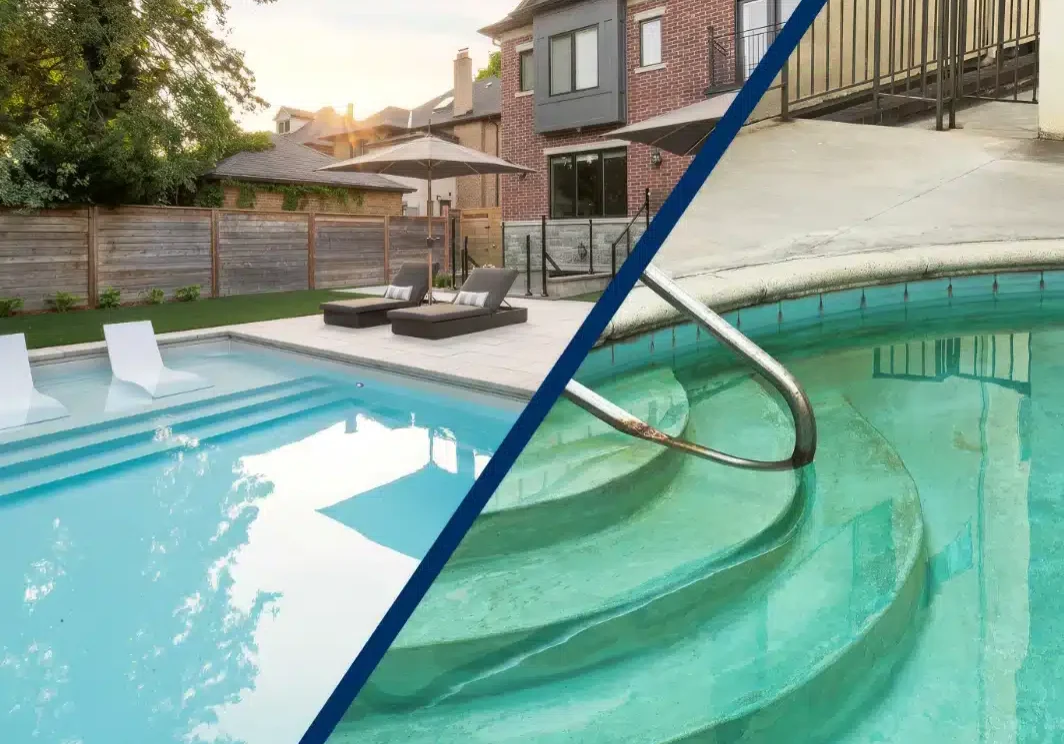
Split image: On the left, a modern backyard pool with lounge chairs and a lawn in front of a house. On the right, close-up of curved pool steps with a stainless steel handrail.

What Is the Best Type of Pool for You?

Fiberglass vs Concrete Pools

A concrete pool is poured and finished on site over three to six months, and the shell cures for about a month before anyone swims. A composite fiberglass pool is set in days. The gap holds over time too: Latham puts a decade of concrete resurfacing and chemical costs at $15,000 to $27,000, against roughly $4,000 for fiberglass, because a surface that was never plaster never needs replastering.

Built for Life

What Makes a Composite Shell Different

Latham builds each shell in bonded layers around a rigid core and seals it with a smooth, non-porous finish. Non-porous is the part you feel: algae has almost nothing to grip, the water stays easier to balance, and the pool runs on about 30 percent less chlorine than a concrete pool. The finish is part of the shell itself, not a coating that gets redone every decade.
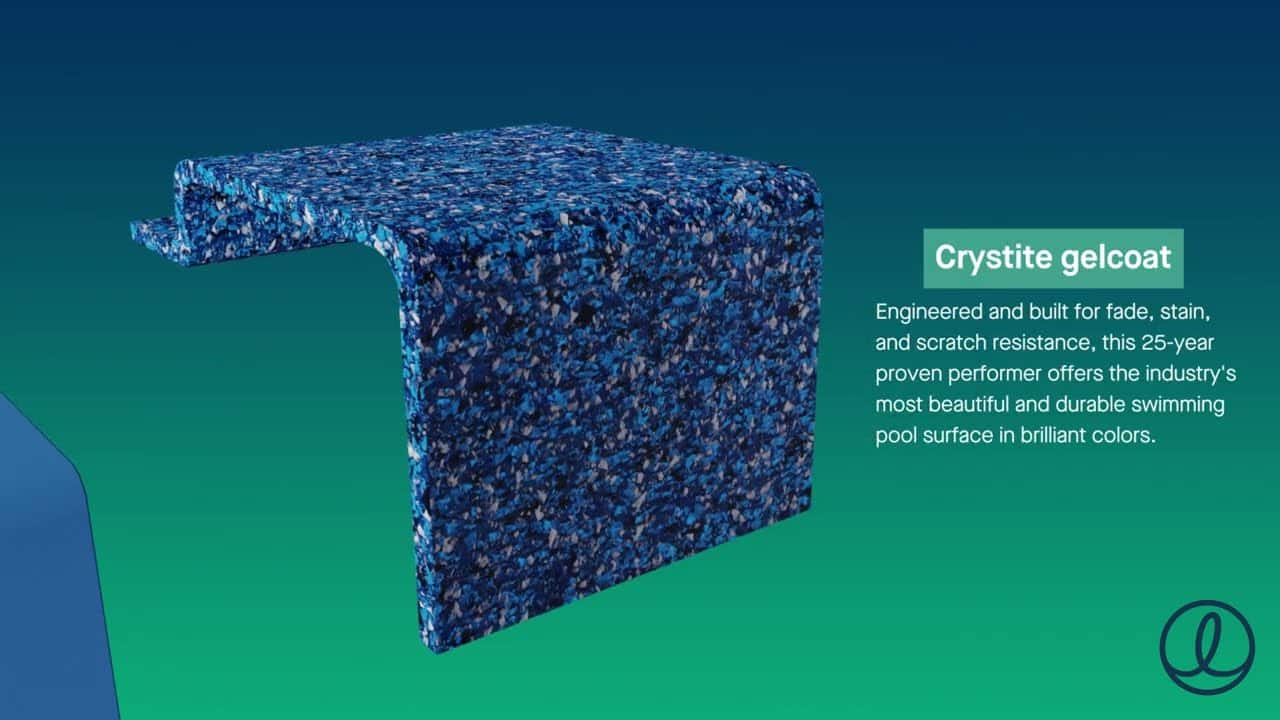

A close-up of a blue, speckled swimming pool surface sample labeled Crystite gelcoat, described as fade, stain, and scratch-resistant with brilliant colors, shown against a gradient blue-green background.
An older woman hugs an older man from behind as they smile and relax together in an outdoor swimming pool on a sunny day, with trees and a wooden fence in the background.

Saltwater Country

Made for Saltwater Florida

Nearly every pool we install runs saltwater. Salt is gentle on skin and eyes and hard on concrete, and a composite shell simply does not care, which is why saltwater and fiberglass are the standard pairing here. The freshwater alternative is the Naked system: it releases copper and silver ions into the water to keep it clear and control bacteria and algae, while the system itself scrubs the water with trace amounts of chlorine that never build up in the pool. The result feels like swimming in fresh water, and it is noticeably gentle on sensitive skin. We install both, and Mike will walk you through the choice at the design visit.

What’s Included

What Every Jiffy Pool Comes With

One written number covers the whole project. Here is what that number includes, on every pool we install.

  • The Latham Shell

    Your model, made by the largest inground pool manufacturer in North America.

  • Engineering and Permits

    The drawings, the county paperwork, and the inspections, handled through the final use of occupancy.

  • Startup, Pool School, and a Month of Service

    We start the equipment, teach you to run it, and service the pool for your first month.

  • The Limited Lifetime Warranty

    Covers the shell’s structure and finish for as long as you own your home. We register it for you on swim day.

  • Your Water System

    Saltwater standard, or the Naked freshwater system if you prefer.

  • The Equipment Package

    Pump, filter, and plumbing, set and dialed in before swim day.

Get Your Written Number

Mike walks your yard and prices the whole job at the free design visit.

Watch Before You Buy

Don’t Take Our Word for It

Latham’s cameras have been everywhere we could point to: inside the factory, over the crane, and into the backyards. Watch whatever answers your question.

Logo with the word latham in cursive blue font above the tagline The Pool Company in smaller, regular blue text on a light background.

30 to 45 Days

From the first handshake to the first swim. The shell itself is set in days.

Fiberglass Pool Cost and Questions

How Much Does a Fiberglass Pool Cost in Florida?

Latham, our manufacturer, publishes a range of $50,000 to $150,000 for a fiberglass pool installed. Where a project falls inside that range comes down to a short list: the size and model of the shell, how hard your yard is to reach with a crane, the decking around the pool, a screen enclosure if you want one, and the water system you choose. The number you plan around should be exact, not a guess from a website, so Mike puts a written price on the whole job at the free home visit, and the number you sign is the number.

How Long Does Installation Take?

The shell itself is set in days. The whole project, first handshake to first swim, runs 30 to 45 days: permitting takes one to three weeks depending on the county and your HOA, then dig, shell set, backfill, electric, and pavers move quickly once they start. The county inspects throughout and grants a use of occupancy at the end.

Do Fiberglass Pools Pop Out of the Ground in Florida?

You may have read about fiberglass shells floating. It can happen to a pool that is emptied carelessly over a high water table, and it is prevented by how the pool is installed and managed: proper base and backfill, groundwater handled during construction, and a shell that stays full, which a fiberglass pool should. It is an installation-quality question, not a product flaw, and it is one of the first things Mike will walk you through at the design visit.

Is There an Alternative to All That Chlorine?

Yes. Most of our pools run saltwater, which already uses far less chlorine than a traditional pool. The step beyond that is the Naked freshwater system: it releases copper and silver ions to keep the water clear and control bacteria and algae, while the system scrubs the water with trace amounts of chlorine that never build up in the pool. The water feels like fresh water and is noticeably gentle on sensitive skin.

How Do You Maintain a Fiberglass Pool?

You brush it and you keep the chemistry balanced, the same as any pool, except there is less of both. The non-porous finish gives algae almost nothing to hold onto, and there is no resurfacing, no replastering, and no liner to replace, ever. Every project also ends with pool school: we walk you through the equipment until running it feels routine.

How Long Does a Fiberglass Pool Last?

The honest answer is decades, and the warranty says it plainly: Latham backs the shell’s structure and finish with a limited lifetime warranty for as long as the original owner owns the home. We register it for you on swim day, and Julie files your copy in a folder with your name on it.

Have a Question We Didn’t Cover?

Ask Mike directly. He picks up, and he gives straight answers.